Comparison: Lampshade Styles and Which Room They Suit Best
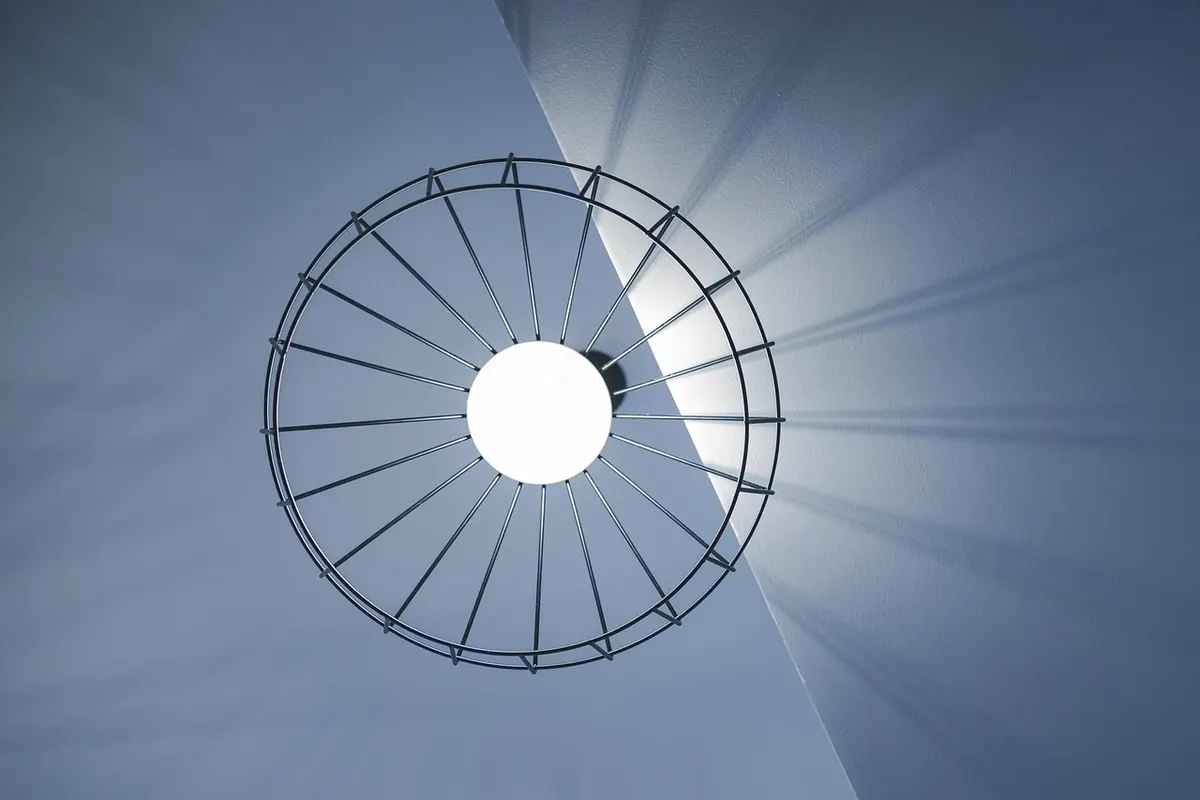
A lampshade is the quietest piece of furniture in the room, and one of the most decisive. Change the shade and the same base suddenly reads mid-century, cottage or sharply contemporary. It alters how bright the lamp feels, how much light lands on the ceiling versus the table, and whether the glow is soft or direct. Yet most of us buy shades the way we buy lightbulbs — quickly, and by size alone. That is a missed opportunity. Shape and material matter just as much as diameter, and the four styles below behave very differently once the switch is flicked.
Why shape matters more than most people expect
A shade does three jobs at once. It shields your eyes from the bulb, it bounces light upwards and outwards, and it sets the visual weight of everything around it. A wide drum on a slim brass base can look heavy and top-loaded; a narrow taper on the same base looks balanced and neat.
Two rules cover most of it. First, the shade should be roughly two-thirds the height of the base, measured from the bottom of the base to the top of the shade. Second, the diameter should be wider than the widest part of the base — usually by a few centimetres — so the lamp reads as one object rather than a stick with a hat.
Beyond proportion, think about light direction. Shallow shades push light up and out. Tall, tapered shades direct more of it down onto a surface. Closed tops soften everything but lose brightness. Keep those behaviours in mind as you read through the styles.
Drum shades: even light, calm presence
The drum is a straight-sided cylinder, top and bottom roughly equal. It is the most versatile shape on the market and the safest choice if you are unsure.
Light spreads evenly in all directions, which makes drums excellent for general ambience rather than task work. A large drum on a floor lamp fills a corner without throwing a hard pool of light onto the wall. A small one on a bedside base gives a gentle wash that is easy on the eyes at night.
Where drums struggle is in rooms that need directed light. Because the top and bottom are open and the sides are vertical, light escapes upwards and downwards rather than landing where you might want to read. If you read in bed, pair a drum with a separate wall light or choose a taller shade that sits lower over the page.
- Best for: living rooms, bedrooms, hallways, hotel-style interiors
- Scale: reads wider and heavier than it measures; a diameter of 35–45cm suits most table lamps
- Materials that work well: linen, cotton, silk, pleated cotton, linen blends
- Pair with: simple ceramic, glass or brass bases with clean lines
Empire shades: tapered drama, upward glow
Empire shades are widest at the base and narrow steadily towards the top, often with a slight outward flare at the bottom edge. The silhouette is formal and a little theatrical — it belongs to bedside lamps, console tables and hotel corridors.
Because the top opening is small, less light escapes upwards and more is pushed down and out through the wider base. That makes empire shades surprisingly good for reading, especially when the bottom edge sits around eye level when you are seated.
They suit classic and traditional rooms better than stark modern ones, though a plain linen empire on a slim metal base can look perfectly contemporary. Avoid heavily fringed or trimmed versions unless the rest of the room is equally dressed — trim dates quickly and gathers dust.
Getting the taper right
A gentle taper — about 5–8cm narrower at the top — feels calm. A steep taper is more dramatic but can look unstable on a narrow base. If in doubt, go gentler than you think you need.
Tapered shades: the middle ground
Tapered shades sit between drum and empire: a modest slope, usually with straight sides and a slightly narrower top. They are the default on many ready-made lamps for good reason.
The light output is a useful compromise — some upwards bounce, plenty downwards. They take up less visual space than a drum of the same base diameter, which helps in smaller rooms or on narrow side tables where a wide shade would crowd the wall.
Style-wise, tapered shades are neutral. They work in period cottages, rented flats and new-builds alike. Choose a fabric with a visible weave for warmth, or a plain cotton for a crisper look. A tapered shade in a dark colour will absorb more light, so either raise the bulb wattage or accept a moodier glow.
Pleated shades: texture, softness, a little nostalgia
Pleats change how light behaves. The folds break up the surface, so the glow appears softer and more diffused, with gentle shadows rippling around the shade. In the evening a pleated shade can look almost luminous; in daylight it reads as texture.
Pleated styles have returned to favour alongside cottagecore and layered, collected interiors, but they are not only for country schemes. A deep pleated shade in a rich colour on a simple base can look sharp in a modern room, particularly in a hallway or on a console.
The practical downsides are real. Pleats collect dust, so they need occasional attention with a soft brush attachment on a vacuum or a hairdryer on a cool setting. They also tend to be more expensive, and creases are hard to remove if the shade gets squashed. Store spares carefully, wrapped in tissue, not plastic.
Matching shade to room, at a glance
- Living room: a wide drum in linen for even, sociable light. Add a tapered shade on a side table for reading.
- Bedroom: empire or tapered on bedside bases, low output, warm bulb. Keep the bottom edge below eye level when you are propped up.
- Hallway or landing: a pleated or drum shade in a deeper colour, slightly larger than feels necessary — halls swallow light.
- Home office: a tapered shade angled towards the desk, or a drum paired with a separate task light. Avoid shades that put the bulb in your line of sight.
- Dining room: drum or empire on a pendant, wide enough to sit over the table without glaring at seated guests.
Choosing well in the shop
Measure twice. Note the base height, the widest point of the base, and the height of the fitting. Take those numbers with you, plus a photo of the base on a plain background — it is far more useful than trying to remember.
Check the fitting type before anything else: bayonet or Edison screw, and whether the shade sits on the harp, clips onto the bulb, or screws onto a threaded rod. Most mistakes happen here, not with colour.
Then think about the bulb. A warm white bulb around 2700K flatters fabric shades; a cool white bulb will make even expensive linen look grey. If your lamp has a dimmer, check the bulb is dimmable and that the shade does not sit too close to a hot bulb — a minimum gap of a few centimetres is sensible, and it is worth following the manufacturer's guidance on maximum wattage.
Finally, hold the shade up to the base before committing if you can, or buy from somewhere with a straightforward returns policy. A shade that looks elegant on a shelf can look oddly proportioned in your own hallway. If you are layering several lamps in one room, keep the family similar — same material, different shapes — rather than mixing four finishes and hoping for the best.
Photo: TranThanhDat / Pixabay